
Silicon Valley increasingly talks about shopping as a problem software can finish for you. Tell an AI agent what you want, give it a budget, and let the machine research, compare and eventually check out.
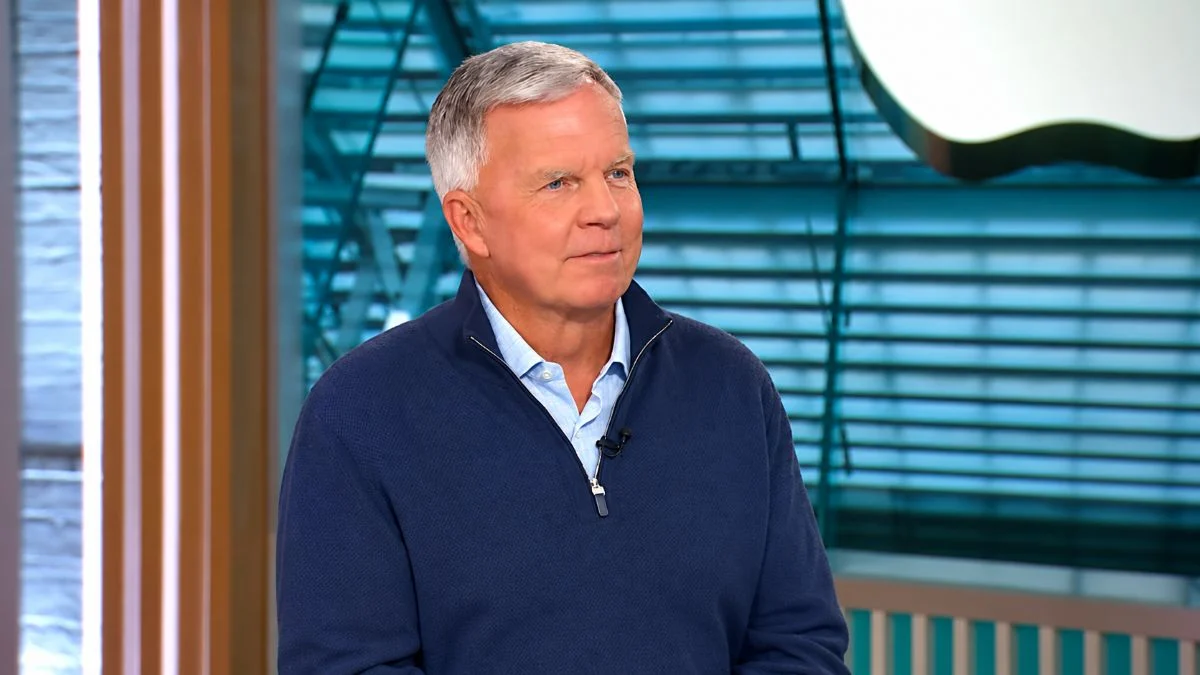
Ron Johnson, the executive who helped build Apple’s retail-store strategy, thinks that vision skips over something basic: people still like experiencing important products before they buy them.
In an interview with TechCrunch, Johnson argued that AI will improve online shopping and make consumers more informed, but he questioned whether people will fully delegate major purchases such as $1,000 or $2,000 laptops to agents.
AI can narrow the field without making the decision
That distinction may end up defining the next phase of commerce. An agent is very good at filtering a huge catalog: compare specs, identify compatibility, surface price history, eliminate products that fail your requirements and summarize thousands of reviews.
But buying is not always a database query.
A laptop has weight. A display looks different in person. A keyboard feels different after five minutes of typing. A pair of shoes fits differently than its product page promises. A couch has scale that is difficult to understand from a rendered image.
Johnson’s point is not that AI is useless. It is that information and experience are different products.
Apple Stores were built around that gap
Johnson joined Apple in 2000 and helped create the retail network that became one of the company’s most recognizable advantages. The stores were designed not only as places to transact, but as places to touch products, get help, learn and return when something went wrong.
He argues that the people inside those stores were the key ingredient. Apple did not pay employees on commission, reducing pressure to push the most expensive item and encouraging a service model built around what the customer actually needed.
That is difficult for an AI system to reproduce because the value is partly emotional and physical, not just informational.
Agentic commerce is still coming
Google is building standards that allow agents to carry consumers from discovery toward checkout. OpenAI and other AI companies are also turning assistants into product-research and shopping environments.
The economic incentive is enormous. If the agent becomes the place where the purchase decision happens, then the traditional storefront — digital or physical — loses some control over discovery.
But Johnson’s skepticism is a useful counterweight to the idea that every transaction is destined to disappear behind automation.
The likely future may be hybrid
AI can do the exhausting part: narrow 400 laptops to four. A person can still do the human part: pick up those four, compare the screens and decide which one feels right.
The companies betting on agentic commerce want to own the decision. Physical retail may survive precisely because some decisions refuse to become purely digital.


TALK YOUR TALK
React, reply and use @username to pull someone into the discussion. Strong takes are welcome; keep it usable.