
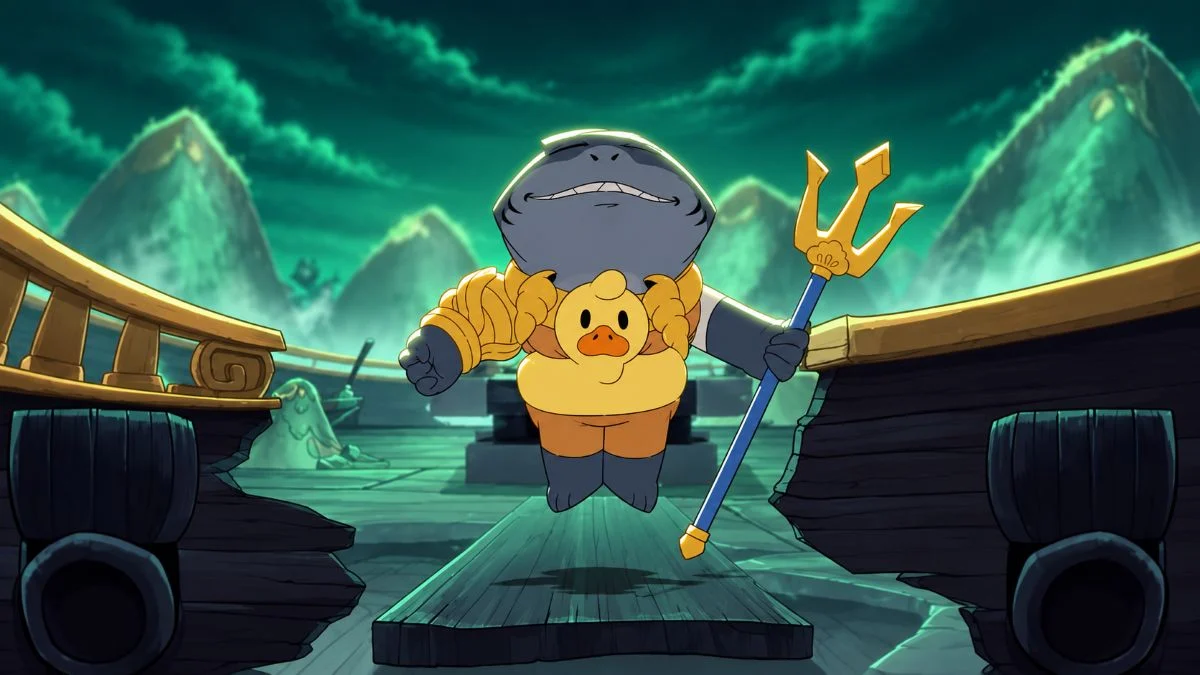
The PC Gaming Show Tokyo Direct did not arrive with one giant announcement designed to swallow the entire conversation. It arrived with volume.
The showcase featured 36 games and DLC reveals, including 13 world premieres, according to PC Gamer’s full recap. There were new trailers, demos, developer interviews and enough genre changes to make the event feel less like one marketing beat and more like scrolling through a very ambitious Steam wishlist.
Lufia finally gets an official PC release
One of the most immediately recognizable announcements was Lufia 1 & 2: The Sinistrals Saga, which packages the first two RPGs together and brings them to PC officially for the first time.
For longtime players, that is the kind of reveal that matters precisely because it is not a brand-new franchise. Preservation and accessibility have become major parts of PC gaming culture. Getting older games onto modern storefronts can generate as much excitement as a new sequel when the original versions have been difficult to play legally on current hardware.
Stronghold is back — and the weird games showed up too
Stronghold 4 also received a spotlight, continuing the castle-building and siege series after a long gap between numbered entries.
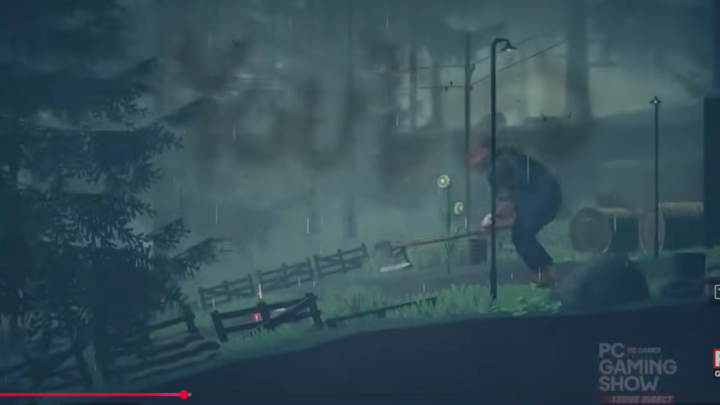
Then there was Really Illegal Golf, a world-premiere concept built around sneaking into places where you are absolutely not supposed to be playing golf. The pitch combines stealth, destruction and absurdity in exactly the way that makes a PC showcase feel different from a conventional console presentation.
Other highlights included Beautiful Freaks of the Desert, a speed-focused shooter set against a future shaped by competing AI corporations; horror cleaning game Dust till Dawn; and a new Hellcard 2 demo.
The real strength was range
Large gaming showcases can become exhausting when every trailer is chasing the same blockbuster tone. Tokyo Direct worked better because the announcements were allowed to be strange, small, tactical, nostalgic or experimental.
That is where PC gaming has an advantage as a culture. One player can be waiting for a castle simulator while somebody else is interested in a roguelike, an old-school RPG collection or a game about committing crimes in order to play golf.
The showcase also gave several projects concrete dates, including titles arriving in October and November, which means this was not only a distant-future hype reel. A meaningful portion of what viewers saw is close enough to actually play soon.
What to watch
The biggest question after a 36-game show is not which announcement “won.” It is which games survive the transition from trailer to actual player conversation.
World premieres create curiosity. Demos create evidence. PC players are unusually good at turning that evidence into immediate word of mouth.
And after a showcase this crowded, the next breakout may not be the game with the biggest marketing budget. It may be the weird one people cannot stop sending to their friends.



TALK YOUR TALK
React, reply and use @username to pull someone into the discussion. Strong takes are welcome; keep it usable.