
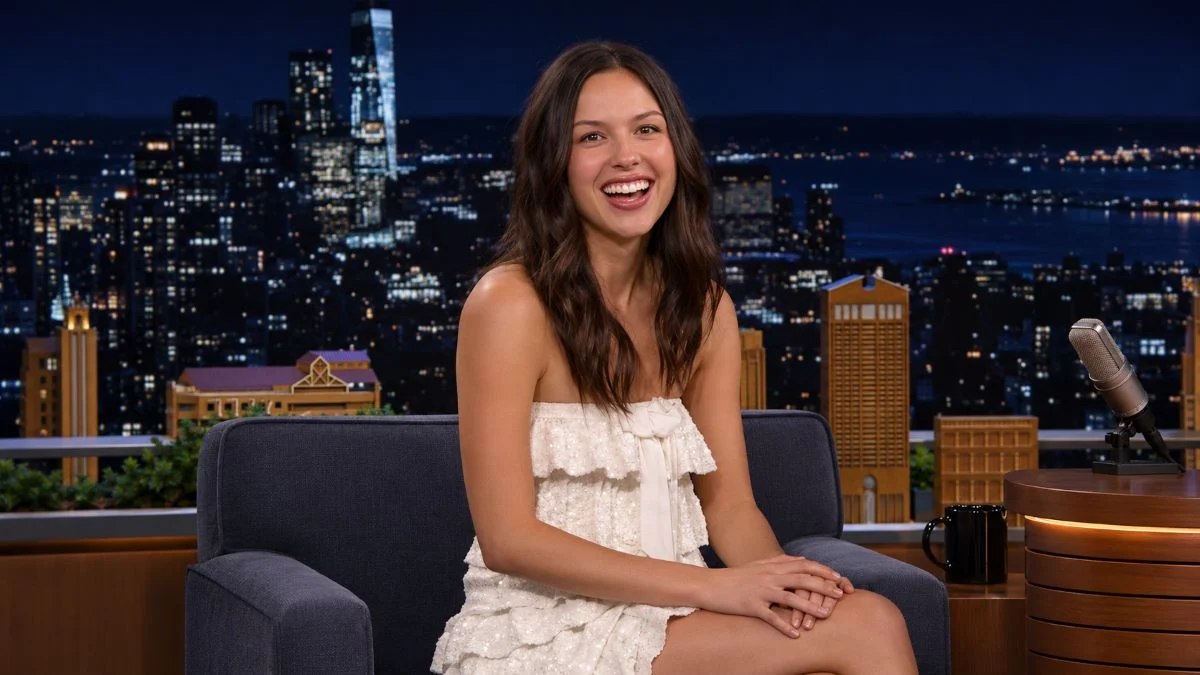
Olivia Rodrigo’s career has always moved quickly, but the scale around her is beginning to tell a different story. The Hollywood Reporter’s new cover profile arrives after Rodrigo headlined Daisy Chain Fields, an all-female charity festival she spent roughly a year and a half planning. The event drew about 50,000 people and raised $20 million for women-centered nonprofits, according to the profile.
That is not the normal side project of a 23-year-old pop star between album cycles. It is institution-building. It puts Rodrigo in the position of deciding who shares the stage, what the event represents and how the attention around her can be redirected toward something larger than her own set.
Daisy Chain was a test of power, not only popularity
Plenty of artists can sell tickets. Fewer can create a new event and make the event itself matter. Rodrigo described the festival as feeling almost like a wedding because so many people from different parts of her life were present. The lineup also connected her to artists she has openly admired, including Stevie Nicks, Alanis Morissette and Sarah McLachlan.
That combination makes Daisy Chain more revealing than another arena sellout. It shows that Rodrigo’s influence now extends beyond performing songs. She can convene artists, audiences, sponsors, charities and media around an idea that carries her taste.
The festival also gives her a route around the increasingly standardized pop machine. Instead of waiting for a major awards show or giant corporate festival to define the context, she built the context herself.
The third album keeps the writing personal
The striking counterweight is that Rodrigo’s newest album, You Seem Pretty Sad for a Girl So in Love, remains rooted in the sort of private emotional detail that made “drivers license” explode years ago. The Hollywood Reporter profile describes an album shaped by the rise and collapse of a first adult relationship, moving from early infatuation into doubt, breakup and the awkward return to dating.
That matters because success creates distance. The bigger the venues get, the harder it can be for a singer to sound like someone talking directly to one listener. Rodrigo’s advantage has been turning very specific feelings into something millions of people recognize without sanding the details down into generic empowerment slogans.
Her anti-AI line fits the larger identity
Rodrigo also drew a hard line in the interview around using generative AI in her music. That position makes sense inside the brand she has built. Her songs are sold on authorship — on the idea that the awkward sentence, petty thought or emotionally contradictory line came from a person trying to figure something out in real time.
For an artist whose strongest currency is perceived emotional specificity, outsourcing any part of that voice to a machine would cut directly against what audiences are buying into.
The next challenge is maintaining intimacy at stadium scale
Rodrigo is now heading toward an 86-date arena tour behind one of the year’s biggest albums. She has a festival, a philanthropic platform and the cultural expectations attached to being treated as one of Gen Z’s defining pop voices.
Those are good problems, but they are still problems. Pop history is full of artists who became so large that the machinery around them eventually overwhelmed the thing people loved in the first place. Rodrigo’s next phase will depend on whether the songs can continue to feel small enough to live inside someone’s headphones even while the career around them becomes enormous.
Daisy Chain suggests she wants to use that scale rather than be swallowed by it. The new album suggests she still knows the scale is not the reason people showed up.


TALK YOUR TALK
React, reply and use @username to pull someone into the discussion. Strong takes are welcome; keep it usable.