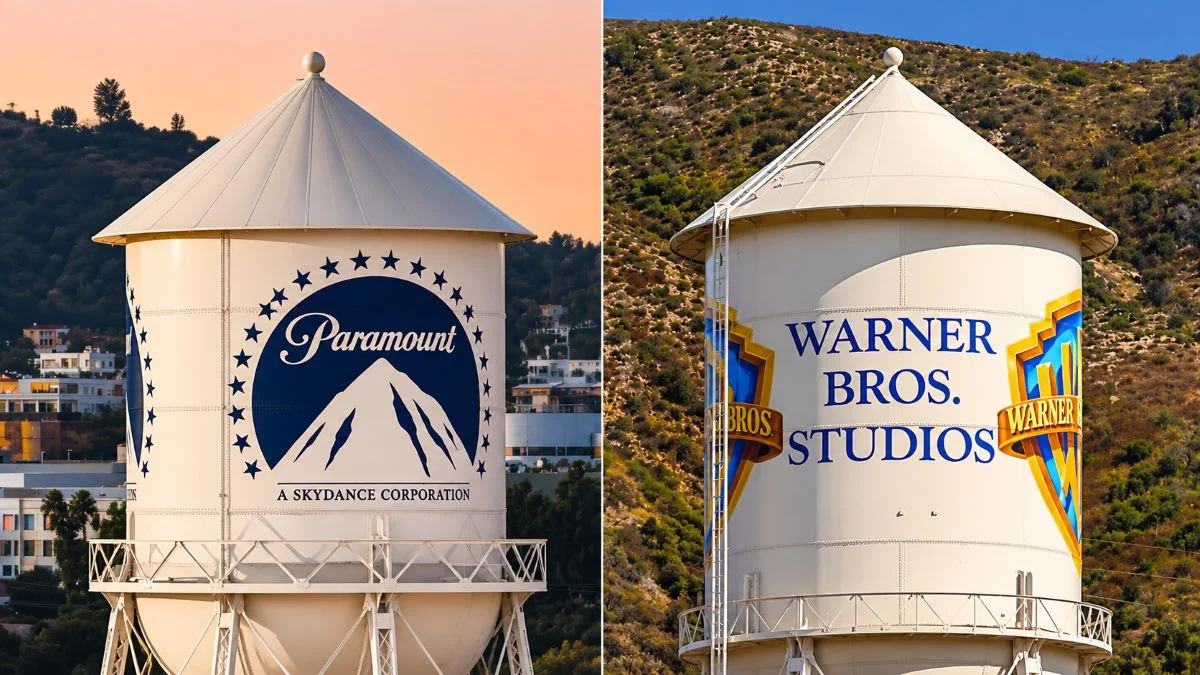
The biggest change in Hollywood this week may be the one viewers cannot see yet. Paramount’s $81 billion takeover of Warner Bros. Discovery has closed, creating a new Skydance entertainment giant with a franchise portfolio that runs from Top Gun and Mission: Impossible to Harry Potter, Game of Thrones, SpongeBob SquarePants, CBS, MTV, BET and HBO.
For the moment, the consumer experience is almost aggressively normal. HBO Max still looks like HBO Max. Paramount+ still looks like Paramount+. AP reports that Skydance has said the two streaming services will unify into a single service over time, but no timetable has been announced.
The quiet first day is the point
Mergers of this scale create headlines about transformation, but companies rarely want the customer to feel disruption immediately. People have subscriptions, watchlists, billing relationships and habits. Breaking those systems too quickly can turn corporate excitement into consumer anger.
So continuity comes first. The deeper changes — pricing, bundles, branding, staffing, release strategy and technology — can happen after the transaction has stopped being a legal event and started becoming an operating reality.
The combined library is absurdly powerful
Warner brings HBO, DC, Harry Potter, Dune, Game of Thrones and a deep film catalog. Paramount brings CBS, Nickelodeon, MTV, BET, Star Trek, Mission: Impossible, Sonic the Hedgehog and the Taylor Sheridan television machine.
AP notes that HBO Max and Paramount+ together have well over 200 million subscribers, though overlap between the two makes the true combined audience more complicated than simple addition.
A unified service could look formidable on paper. The challenge is that streaming is full of platforms that looked formidable on paper. Viewers do not experience a spreadsheet of intellectual property. They experience an app, a monthly price and the question of whether there is something worth watching tonight.
Theatrical movies may benefit if the promise holds
The merger also matters to theaters. Skydance has promised a minimum of 30 high-quality theatrical releases per year, according to AP. That is meaningful at a moment when exhibitors need reliable volume as much as they need giant hits.
A company with this many franchises can keep multiplex screens full, but the interesting question is whether it will also preserve Warner Bros.’ recent appetite for original filmmaker-driven movies. Consolidation can create financial stability while narrowing creative risk.
The real battle will happen inside the combined company
Every merger creates a political question: which culture wins? HBO has spent decades selling prestige and curation. Paramount has leaned heavily on broad franchises, broadcast scale and recognizable brands. Warner Bros. has its own studio identity. CBS has another. Nickelodeon and MTV speak to completely different audiences.
Combining those assets is not the same thing as combining their instincts.
The first visible sign may be the future streaming brand. Does HBO remain the premium flag? Does Paramount survive in the name? Does Skydance try to create something new? The answer will reveal how management thinks about the hierarchy of the assets it just bought.
For viewers, nothing changed overnight. That is exactly why the next year matters. The deal is finished. The consequences have barely started.

TALK YOUR TALK
React, reply and use @username to pull someone into the discussion. Strong takes are welcome; keep it usable.