
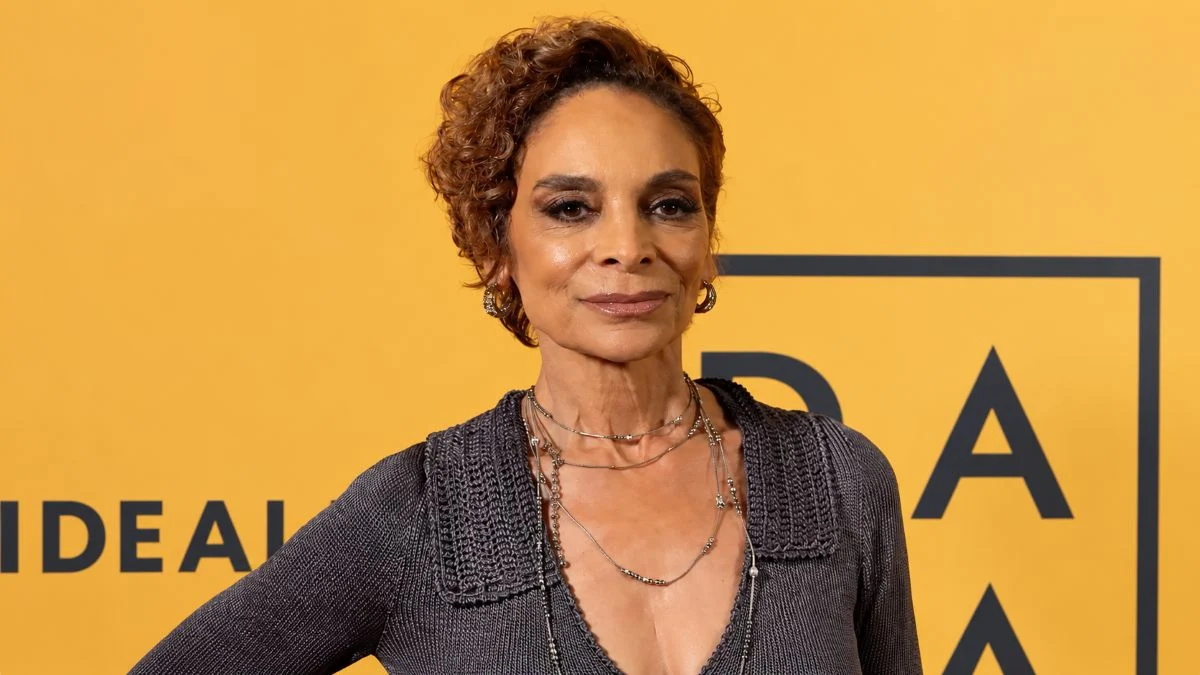
The return of “A Different World” gave fans a chance to see Jasmine Guy step back into the world of Whitley Gilbert more than three decades after the original series ended.
It also produced a less charming revival: strangers analyzing how a woman in her sixties looks compared with the version of her they remember from television decades ago. Guy, 64, responded by emphasizing kindness, self-love and the idea that beauty and joy do not expire because a face changes.
Nostalgia creates an impossible comparison
Revivals ask viewers to reconnect a present-day actor with a character frozen in reruns. The viewer may have watched those episodes last week. The actor lived every year in between.
That gap creates a strange visual trick. Streaming makes the past feel permanently available, so a performer can appear to jump from age 25 to age 64 in the space between two clicks. The audience experiences the old version and the current version almost simultaneously even though decades separate them.
Women face the sharpest contradiction. Age naturally and the internet may call it decline. Alter your appearance and the same internet may accuse you of trying too hard not to age. The standard is structured so there is almost no acceptable answer.
The feed amplifies cruelty far beyond its actual size
Social platforms reward the comment that gets a reaction. A normal observation disappears. An exaggerated insult gets screenshotted, reposted and argued over until it can look like consensus even when most viewers never had the thought.
That is why celebrity appearance discourse can feel enormous without being representative. Ten cruel comments can generate hundreds of posts condemning those comments, and suddenly the cruelty itself becomes the dominant story surrounding a reunion that most fans approached with affection.
The algorithm does not care whether people agree with the original insult. It cares that everyone keeps interacting with it.
Guy changed the frame instead of arguing with strangers
Rather than litigating every comment or trying to prove that she still meets someone else’s standard, Guy’s response made the broader point: a person’s right to age should not require a defense brief.
That is a more useful answer because appearance debates are unwinnable at the individual level. If she answers one criticism, another person can invent a different one. Refusing the premise takes the argument out of the mirror and puts it back on the culture creating the expectation.
The meaningful part of the reunion is that the people who made the original show can return, contribute and receive appreciation while they are here to experience it.
Aging is part of what makes a revival meaningful
There is also something contradictory about wanting a revival while rejecting evidence that time passed. The emotional charge comes precisely from seeing familiar characters and performers years later. Their faces, voices and experiences are supposed to carry that passage.
If a reboot or reunion only works when everyone appears untouched by time, then the audience is not actually asking for continuity. It is asking for a simulation of the past.
“A Different World” mattered to viewers because it captured a specific generation and moment. Seeing its performers decades later can add another layer to that history instead of damaging it.
The internet’s oldest habit is turning people into before-and-after photos
Celebrity culture has always judged appearance, but social media industrialized the comparison. Old screenshots and new photographs can be placed side by side instantly, stripped of context and offered to millions of people as an invitation to critique.
Guy’s response is a reminder that the person inside that comparison has lived an entire life between the images. The revival is about time passing. Pretending the actors should somehow be exempt from that passage misses the point completely.
TALK YOUR TALK
React, reply and use @username to pull someone into the discussion. Strong takes are welcome; keep it usable.