

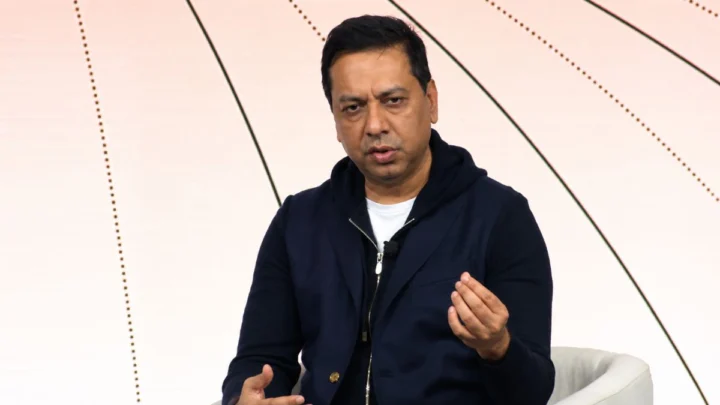
The web has crossed a strange threshold: machines are becoming the majority audience. Cloudflare CEO Matthew Prince says automated bots now account for more requests across the company’s view of web traffic than humans do.
Fortune reported that the share was already approaching 60 percent in May. That sounds like a technical statistic until you follow the money. The modern open web was built around an assumption that pages are ultimately created for people. If the dominant consumer becomes software, the economic rules underneath publishing start to look much less stable.
Advertising was built for people
A publisher pays for reporting, editing, development, photography, legal review and hosting, then recovers some of that cost when human readers see advertising, subscribe, buy something or build a relationship with the brand.
A bot can consume the same information without doing any of those things. It can crawl thousands of pages, extract facts and send the answer somewhere else. At machine scale, the economics get uncomfortable because the publisher still pays the cost of producing and serving the information while the commercial value can be captured somewhere downstream.
This does not mean every bot is harmful. Search crawlers, monitoring tools and accessibility services have long been part of the web. The problem is that generative AI creates a new class of automated reader whose goal may be to answer the user’s question without sending that user to the source.
Cloudflare wants access itself to become a market
Prince has argued for tools that let publishers control AI access and potentially charge automated systems for high-volume use. The Verge discussion included micropayment concepts and the HTTP 402 “Payment Required” status as pieces of a possible new infrastructure.
The point is not to make every human click cost money. It is to distinguish between a person reading an article and a machine ingesting thousands or millions of pages in order to build another product.
If automated consumption becomes the majority of traffic, publishers may need controls that are as ordinary as robots.txt once was but connected to permission, identity and payment.
The old search bargain is breaking down
Search engines crawled publishers for decades while also sending traffic back. The relationship was never perfectly balanced, but the basic bargain was understandable: a crawler reads the page, indexes it, and the search result creates a path for humans to visit the source.
AI agents complicate that model because the answer can be complete before the user reaches the publisher. The source may still be cited, but a citation is not the same thing as a pageview, subscription opportunity or advertising impression.
That is why the debate is larger than “bots are bad.” The actual question is whether the infrastructure of the web can distinguish between discovery that returns value and extraction that does not.
There is no clean solution yet
Blocking all bots can reduce discovery and make a publisher less visible in new interfaces. Unlimited scraping can make reporting harder to fund. Charging every developer could create a web that only the largest companies can afford to index.
There are also technical questions about identity. A payment system only works if publishers can reliably tell one kind of automated request from another and prevent bad actors from disguising themselves as approved crawlers.
Those tradeoffs mean the final model will probably involve tiers: open access for some uses, negotiated access for large-scale commercial ingestion and stronger controls for publishers that choose them.
The internet’s audience is changing faster than its business model
That is the uncomfortable point behind Cloudflare’s statistic. The web may already be serving more machine requests than human ones while most sites still monetize as if human visits are the only thing that matters.
An internet where people fund the content and machines consume an ever-larger share for free is not an equilibrium publishers can rely on forever. The next fight is not only over who owns the content. It is over what counts as a fair exchange when the reader is software.


TALK YOUR TALK
React, reply and use @username to pull someone into the discussion. Strong takes are welcome; keep it usable.